

PFAS-free cookware is becoming the go-to choice for informed home cooks and health-conscious families who want to avoid harmful chemicals in their kitchens.
Key Takeaways
- No PFAS-free cookware brand shares public independent test results; claims often depend on manufacturer assurance alone.
- European and North American markets are actively phasing out PFAS with strict regulations, driving ceramic and cast iron popularity.
- Little direct consumer evidence exists for health or durability issues, but hard research comparing ceramic and PTFE options is still lacking.
- What is PFAS-free Cookware and Why Does It Matter?
- How to Choose and Use PFAS-free Cookware: Step-by-Step
- Advanced Analysis and Avoiding Common Pitfalls
- Conclusion
- FAQ
What is PFAS-free Cookware and Why Does It Matter?
PFAS-free cookware means pots and pans that do not contain “forever chemicals” like per- and polyfluoroalkyl substances. These chemicals, used for decades (most notably in Teflon and other nonstick surfaces), are now under intense scrutiny. Studies show PFAS can remain in the body and environment for years, with potential links to health concerns. As a result, regulators in the European Union and North America have started to enforce stricter standards for cookware makers.
Consumer demand for safer alternatives is rising. According to a 2025 global cookware market report, over 30% of new product launches claim to be PFAS-free and eco-friendly (MMR Statistics). Popular PFAS-free types include ceramic-coated cookware, cast iron, and stainless steel. Unlike traditional nonstick pans coated in PTFE (which often use PFAS), ceramic and some sol-gel coatings are marketed as non-toxic options. Still, no single regulation or test certifies “PFAS-free” status across brands.
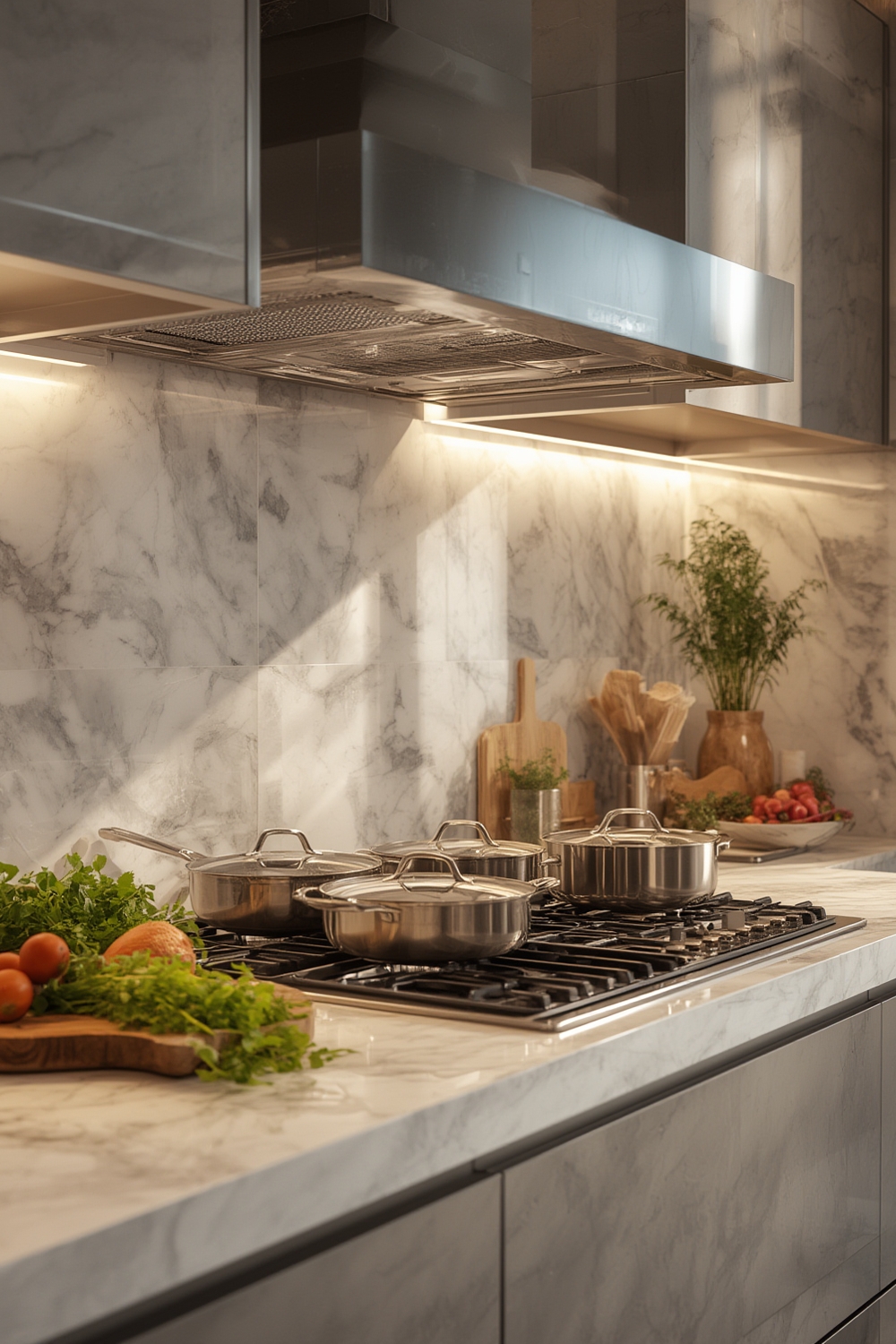
In short, PFAS-free cookware is about avoiding legacy chemicals that never break down. But the reliability of these claims depends on transparency. Before you buy, it’s wise to check the pros and cons of each popular non-toxic material, watch out for misleading terms, and ask for test results if possible. For more on non-toxic kitchen options, see our in-depth guide to stainless steel cookware safety.
How to Choose and Use PFAS-free Cookware: Step-by-Step
Ready to swap out old pans or set up a non-toxic kitchen? Here’s an actionable, step-by-step process to help you choose and care for PFAS-free cookware with confidence.
- Set your priorities. Decide what matters most: total chemical avoidance; versatility (oven and stovetop use); or just affordable nonstick results. For the healthiest route, focus on 100% ceramic, season cast iron, or glass for baking.
- Research by material, not just by brand name. Look for pans described as PFAS/PFOA/PTFE-free. Brands like Kyocera, Caraway, and GreenPan are widely referenced, but none share public independent test data (Fortune Business Insights).
- Understand regulatory context. If you live in the EU, most new cookware is PFOA-free because of strict law. In North America, check for clear PFAS-free statements from manufacturers.
- Examine the price and value proposition. Mainstream brands democratize access (example: IKEA’s sol-gel ceramics), while boutique lines pitch durability and premium finishes (see: GreenPan Barcelona Pro). There is little published price data, but higher quality usually means a higher upfront cost.
- Care and longevity. Even the best ceramic or “sol-gel” pans lose their nonstick ability faster than legacy Teflon, often within 1–3 years. Never use metal utensils, and avoid dishwasher cleaning if you want to extend their lifespan. Season cast iron or carbon steel for a natural nonstick effect instead.
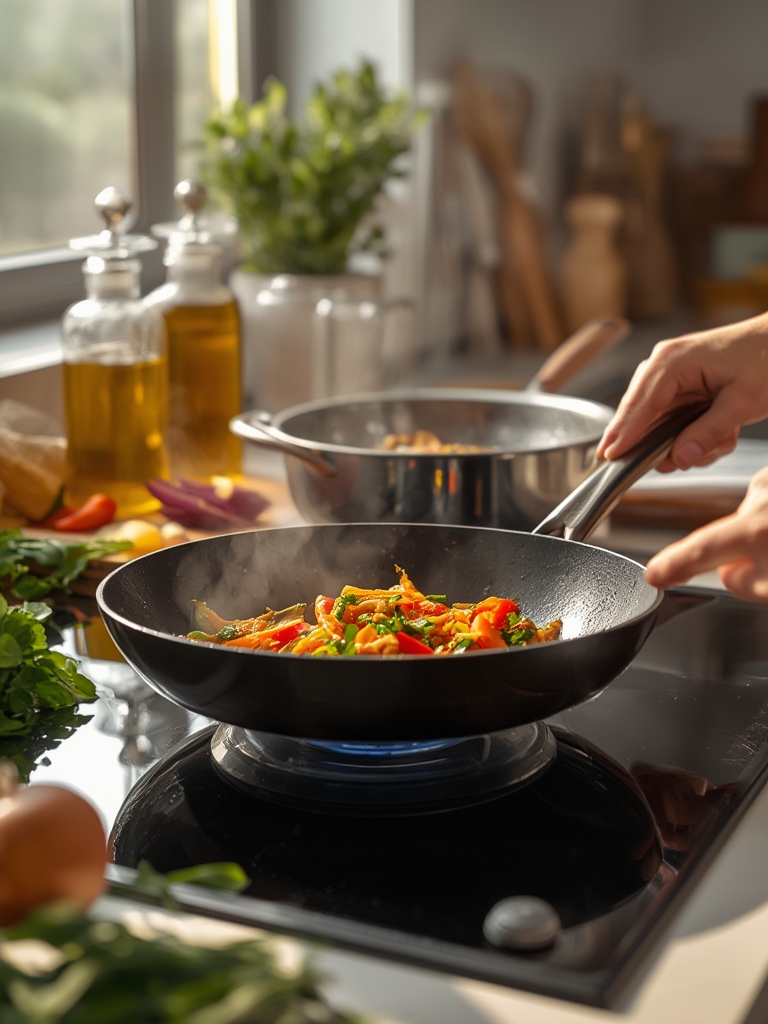
Want specific performance or longevity tips? Check out our breakdowns on nonstick cookware for electric stoves and ceramic vs stainless steel options for deeper reviews and recommendations.
Advanced Analysis and Avoiding Common Pitfalls
Switching to PFAS-free cookware is a step toward healthier cooking, but it’s not bulletproof. Here’s a grounded look at real issues—plus a side-by-side comparison of popular options.
Common Pitfalls to Avoid
- Misleading Claims: Many pans are marked “PFAS-free” yet offer no third-party lab verification. Brands rely on proprietary tech or internal standards. Always look for verifiable certifications, not just marketing tags.
- Durability Gaps: Real-world user reviews (where available) rarely call out health issues, but some report ceramic pan coatings lose slickness quickly—especially with high-heat or improper cleaning. See our ceramic pan cleaning guide.
- Lack of Scientific Proof: Despite health claims, hard data comparing the safety of ceramic versus PTFE is lacking. Many sources simply repackage manufacturer statements or refer to standard warnings about overheating Teflon-like coatings.
- Unrealistic Longevity Expectations: Ceramic coatings, though non-toxic, usually have a shorter effective nonstick life than classic PTFE. Expect to replace them more often.
- No Standardized Price Information: Reports highlight brand positioning (budget to boutique), but you may find wide price swings for similar-looking pans. Always compare specs, not just labels.
Material Comparison Table
| Cookware Type | Is it PFAS-free? | Typical Durability | Available Independent Testing? | Typical Price Range | Major Brands |
|---|---|---|---|---|---|
| Ceramic-coated | Yes (marketed); depends on brand | Moderate (1–3 years nonstick) | No public reporting | $$–$$$ | GreenPan, Kyocera, Caraway |
| Cast Iron | Yes (seasoned, pure iron) | Lifetime (if maintained) | Not needed (no coatings) | $–$$ | Lodge, Le Creuset |
| Stainless steel | Yes | Lifetime | Not needed | $$–$$$ | All-Clad, Cuisinart |
| PTFE Nonstick | No (unless specifically labeled) | 2–5 years | Rarely | $–$$$ | T-fal, Calphalon |
Want expert cleaning tricks? See our pot and pan deep cleaning techniques.

Conclusion
PFAS-free cookware is gaining traction due to increased regulations and consumer awareness, but finding truly non-toxic pans requires sharp attention to details and a willingness to question marketing. No major brand currently offers public, independent lab results to confirm the full absence of PFAS or similar toxins. Most consumer complaints are about durability, not health, but there is a research gap. As you shop for PFAS-free cookware, research materials, ask brands about lab tests, and monitor how your cookware performs over time.
Ready for a practical kitchen upgrade? Review our complete cookware guides organized by stovetop and health goals and make an informed choice that fits your cooking habits.
FAQ
What does PFAS-free cookware really mean?
It means the cookware is not made with per- and polyfluoroalkyl substances (PFAS), which are chemicals linked to potential health and environmental risks. Always double-check brand statements and ask for test reporting if in doubt.
How can I be sure my pan is truly PFAS-free?
No brand provides public, independent lab tests. Seek brands that detail their coating technology and sourcing; ceramic and cast iron are typically safer bets. Look for clear language and avoid vague marketing claims.
Are ceramic nonstick coatings safer than PTFE?
Ceramic coatings are marketed as safer and PFAS-free, but scientific research directly comparing their health safety to PTFE pans is still lacking. Ceramic options avoid legacy “forever chemicals,” but may wear out sooner.
What’s the average price of PFAS-free cookware?
No market-wide average is reported, but expect to pay more than typical PTFE pans, especially for boutique brands like GreenPan or Caraway. Budget-friendly choices exist, often with less durable coatings.
Where can I find more non-toxic cookware tips?
Explore our cookware safety and cleaning resources, like the nonstick pan cleaning guide and our top picks for nonstick cookware on gas stoves.