

donabe Japanese clay pot is transforming kitchens around the world, bringing the soul of traditional Japanese cooking right to your stovetop. If you want rich, deep flavors and a flexible, long-lasting pot for hot pots, rice, or stews, learning about donabe is essential. Here is what you need to know, including actionable tips, realistic advice, and the potential pains along the way.
Key Takeaways
- Donabe Japanese clay pots offer versatile, toxin-free cooking rooted in Japanese tradition.
- Proper seasoning, handling, and maintenance are crucial for durability and maximizing flavor.
- Donabe prices range from $27 to $220, with care steps needed to avoid cracking and other issues.
- The Core Concept: What Makes Donabe Special
- Step-by-Step Guide: Using and Caring for Your Donabe
- Advanced Analysis & Common Pitfalls
- Conclusion
- FAQ
The Core Concept: What Makes Donabe Special
Donabe are traditional Japanese clay pots prized for their ability to gently cook and enhance the flavor of a wide variety of foods. Their porous, heat-retaining structure makes them perfect for slow simmers, famous for dishes like nabe, shabu-shabu, and even perfectly steamed rice.
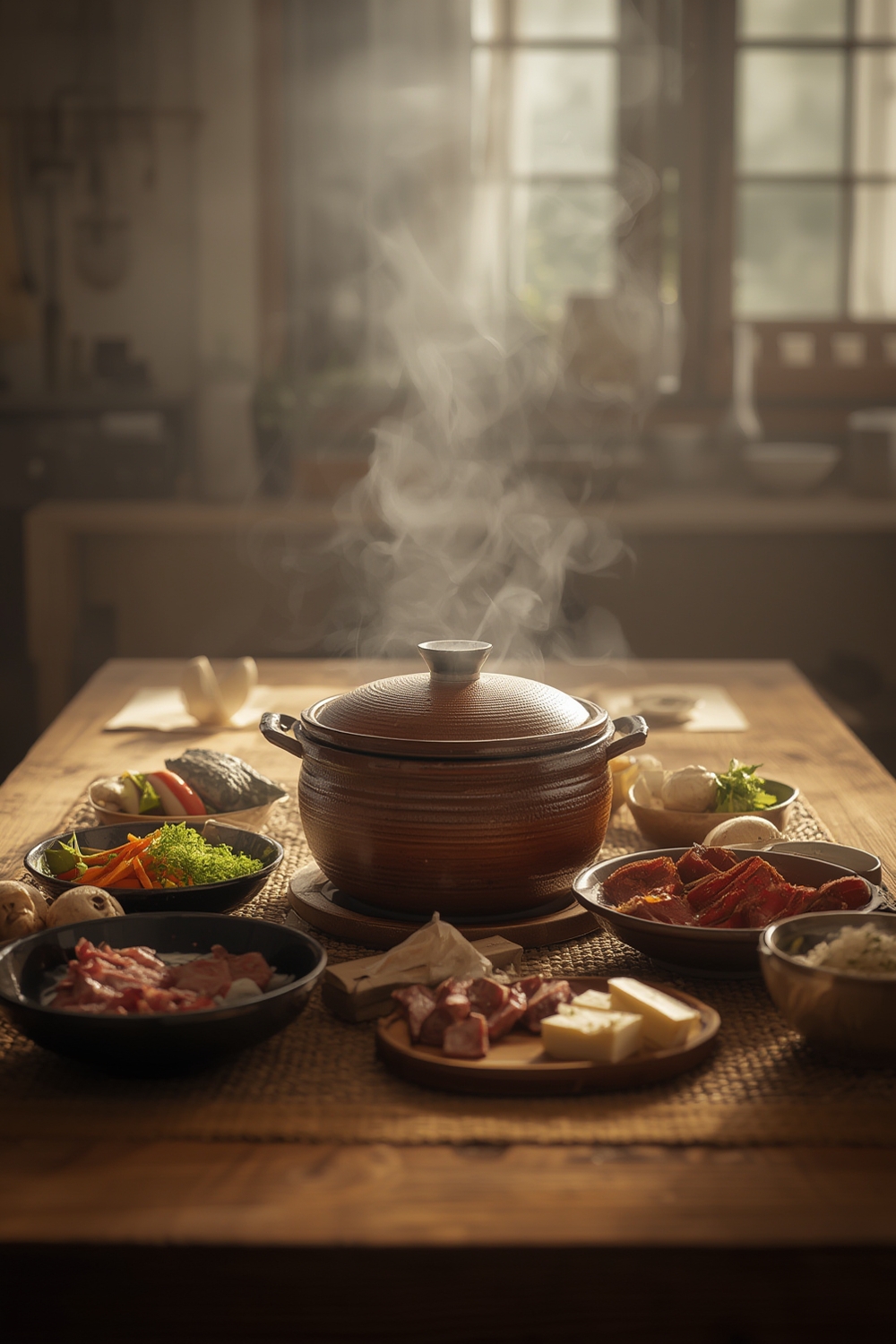
In Japan, donabe has thrived thanks to the national love for washoku (traditional Japanese cuisine). As global interest in clean, non-toxic cookware rises, more people are choosing donabe because it is naturally PFOA-free, chemical-free, and brings a rustic aesthetic to the table.
Today’s donabe pots primarily come from Mie Prefecture’s Iga (Iga ware) and Yokkaichi’s Banko ware regions—both with centuries-old traditions. Both types excel at heat retention and flavor, though each has unique clay blends and kilning techniques that affect price and performance.
For those eager to explore more on Japanese cookware for the home, don’t miss Japanese hotpot essentials or our full guide on how to care for Japanese cookware.
Step-by-Step Guide: Using and Caring for Your Donabe
Ready to get started? Here’s an actionable guide to select, season, cook with, and maintain your donabe Japanese clay pot at home:
- Choosing the Right Donabe
Decide on pot size based on your recipes (2L is typical for two to four people). Compare Iga ware and Banko ware—both are excellent, but Iga ware is slightly more expensive due to its porous clay and centuries-old process. - Seasoning Your Donabe
Before first use, fill your donabe with water and a handful of cooked rice (or rice water). Simmer for 30-60 minutes and cool naturally. This fills micro-pores and reinforces the vessel’s strength. For extra tips, see our how to season Japanese cookware. - Cooking
Donabe excels at hot pots, stews, soups, and clay pot rice. Start with a low flame, gradually increasing heat to avoid thermal shock. Avoid rapid heating on induction stoves—donabe prefers gas, but an induction plate adapter can work for some models. - Cleaning & Maintenance
Never use soap or dishwasher. Hand wash with warm water and a soft sponge. Air dry thoroughly before storage to prevent mold. - Storage & Repairs
Store with the lid slightly ajar to prevent mustiness. Hairline cracks can often be sealed by reseasoning with rice water. For advanced fixes, read about donabe repair techniques at donabe repair guide. - Cost Considerations
Most donabe pots retail from $27 up to $220 depending on region, brand, and clay source (see pricing examples here).
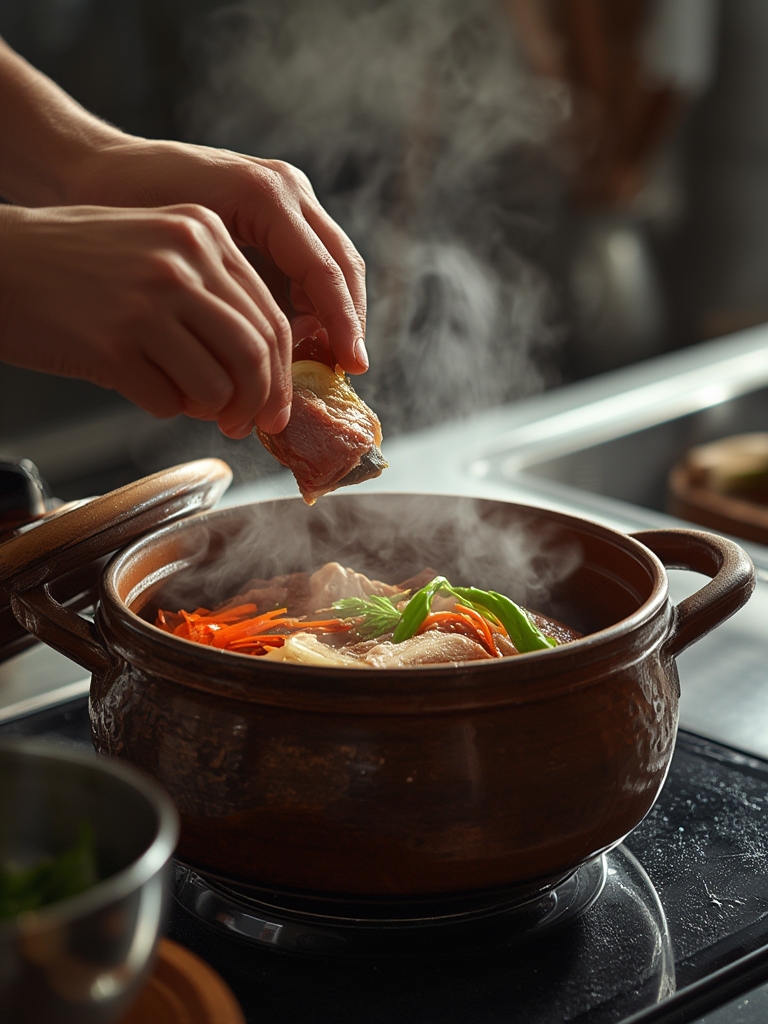
Looking for recipes to maximize your new donabe? Explore our roundup of best donabe recipes for beginners for classic sukiyaki, oden, and more.
Advanced Analysis & Common Pitfalls
While donabe cooking offers rich rewards, there are realistic downsides to consider.
- Cracking Risk: Sudden temperature changes can easily crack a donabe, especially if unseasoned or carelessly heated.
- Weight & Fragility: Donabe are heavy and can chip or break if dropped. Handles heat well, but poor for bumping into sinks or hard counters.
- Flavor Carryover: Since the ceramic is slightly porous, strong spices or foods can linger in the clay. Avoid cooking pungent and delicate dishes back-to-back.
- Price Variation: High-quality Iga ware is typically more expensive but worth the investment for frequent cooks. Banko ware is sturdy and more budget-friendly.
- Maintenance: Full seasoning takes time. Neglect can result in leaks, stains, or mold.
| Type | Core Features | Typical Price Range | Best For |
|---|---|---|---|
| Iga Ware | Highly porous, superior heat retention, hand-formed tradition | $110-$220 | Enthusiasts, frequent Japanese cooking |
| Banko Ware | Denser clay, more durability, built-in handles | $27-$110 | Everyday, family, budget-conscious |
| Kamado San Rice Cooker | Designed specifically for perfect rice; double-lid for steam management | $120-$190 | Rice perfectionists |
It’s also worth reading the latest market data on Japanese cookware to see how demand and material safety are shaping modern choices.
Conclusion
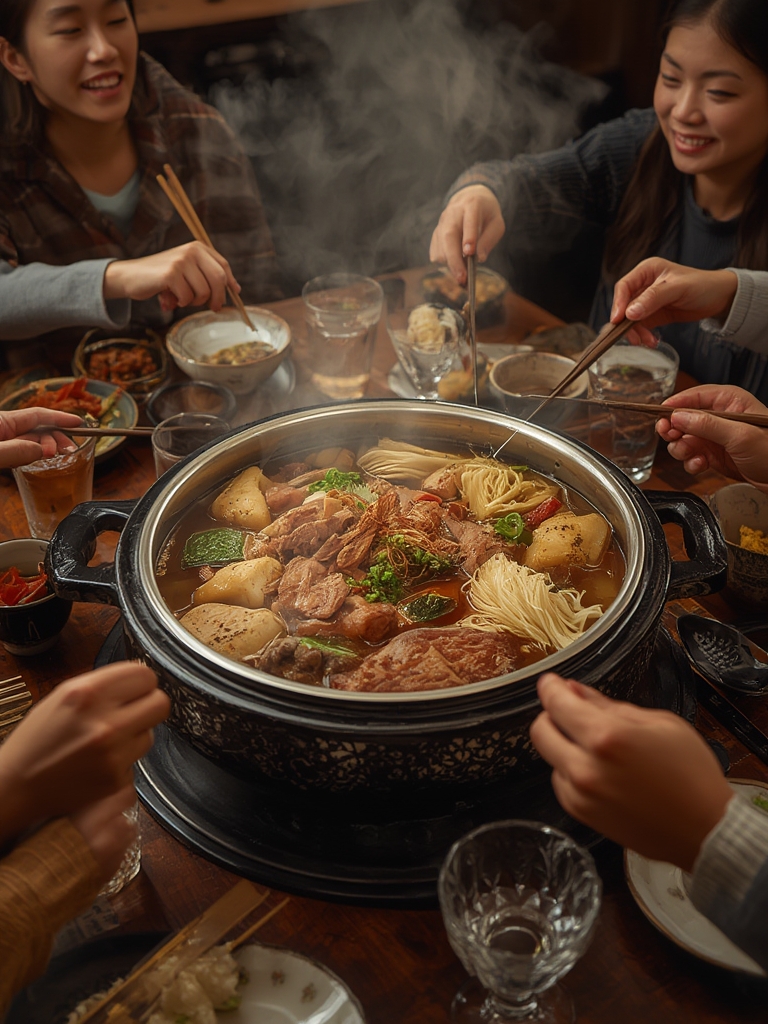
Donabe stands out as more than a cooking vessel; it is a way to embrace communal, healthy cooking and to bring out deep flavors from simple ingredients. With the right donabe Japanese clay pot, and by following best practices for seasoning, care, and use, you can cook authentic Japanese meals for years. Explore our Japanese tableware comparison for choosing ideal serving pieces, or start your collection with our recommendations for best donabe for beginners. Now is a great time to invest in your own donabe Japanese clay pot—bring home timeless craftsmanship and flavor. Ready to elevate your kitchen? Start here.
FAQ
What makes donabe Japanese clay pots unique?
Donabe pots are crafted from special clay blends, fired at high temperatures for durability and heat retention. They’re prized for their ability to build umami and cook foods evenly with a rustic taste profile unmatched by metal cookware.
Can donabe pots crack easily?
Yes, if exposed to sudden temperature changes or incomplete seasoning, donabe is vulnerable to cracks. Careful gradual heating and regular seasoning prevent most damage.
Is there a difference between Iga ware and Banko ware donabe?
Iga ware comes from a specific region with highly porous clay, excelling in slow cooking and flavor. Banko ware is denser, more affordable, and great for everyday use. Both are authentic, but each offers a slightly different cooking experience.
How should I clean my donabe Japanese clay pot?
Rinse with warm water and scrub with a soft sponge. Never use soap or put it in a dishwasher, as the clay can absorb chemicals and soap flavor. Always allow it to dry completely before storing.
Where can I find marketplace prices and more market data?
Donabe prices typically range from $27 to $220. For detailed pricing and projections, see the Japan cookware market report and retail listings like this example.