

Collapsible silicone kitchen tools have rapidly become a must-have in kitchens craving more space, versatility, and smart organization. Whether you live in a small apartment or just want to minimize clutter, these innovative gadgets offer a practical solution—but they are not without drawbacks you should know about before buying or using them every day. This guide delivers a realistic, research-based look at what collapsible silicone kitchen tools can really do for you—and what to watch out for.
Key Takeaways
- Collapsible silicone tools boast fast growth in 2024—driven by urbanization and minimal spaces worldwide.
- Heat resistance, non-toxicity, and compact storage are the main strengths, but durability and price differences remain unclear.
- Proper organization and cleaning are vital to unlock real space-saving benefits with collapsible silicone kitchen tools.
- What Are Collapsible Silicone Kitchen Tools — And Why Bother?
- How to Make the Most of Collapsible Silicone Kitchen Tools
- Critical Analysis and Common Pitfalls
- Conclusion
- Frequently Asked Questions
What Are Collapsible Silicone Kitchen Tools — And Why Bother?
Collapsible silicone kitchen tools are innovative utensils, mixing bowls, colanders, strainers, and storage containers designed to flatten or fold for maximum space saving. Made from food-grade silicone, they offer flexibility, remarkable heat resistance, and easy cleaning—all while being BPA-free and non-toxic. The goal? To maximize use of every inch in your kitchen, especially in city apartments or smaller homes.
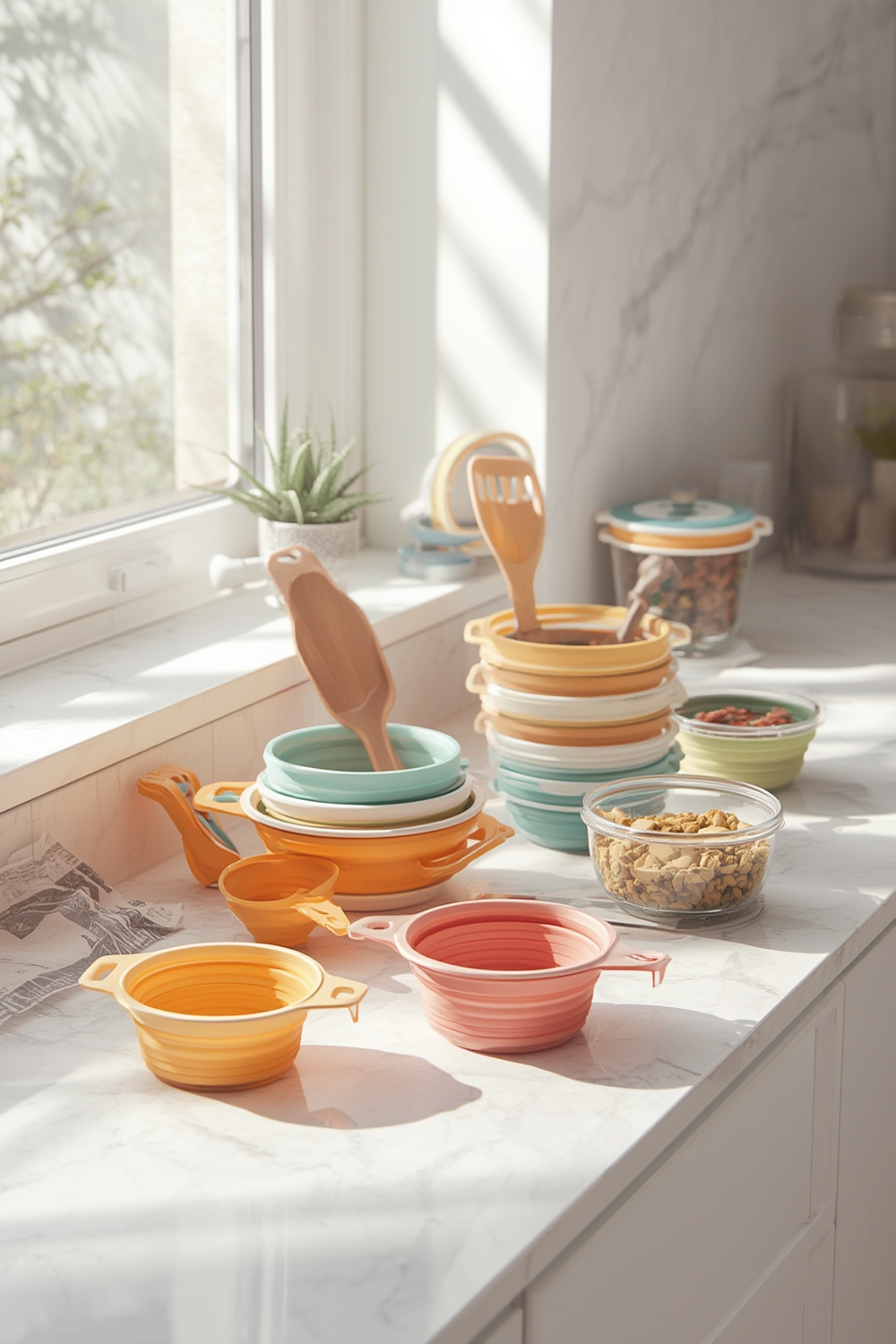
The concept isn’t new, but recent years have seen explosive market growth. In 2024, the global collapsible mixing bowl set market hit USD 1.12 billion, with a projected CAGR of 6.3% through 2033, riding minimalism and urban living trends (source). North America alone—primarily the US—accounted for USD 340 million, with high adoption fueled by the home cooking boom and retail availability.
Unlike heavy, clunky metal or glass counterparts, collapsible silicone kitchen tools easily tuck away in tight drawers or cabinets. According to 2024 market research, silicone utensils are the fastest-growing segment—thanks to their resilience, ease of cleaning, and ability to handle both high and low temperatures.
Read more on best silicone bakeware sets or explore drawer organization solutions for tight spaces to complement your tools.
How to Make the Most of Collapsible Silicone Kitchen Tools
Getting the full benefit of collapsible kitchen gadgets comes down to more than just owning them—you need to use, organize, and care for them the right way. Follow these steps for real, daily kitchen improvements.
- Sort and Purge: Start by removing bulky, unused kitchenware. Be ruthless—if you haven’t used it in the last year, donate or recycle it. This step creates space for collapsible alternatives.
- Buy Quality Over Quantity: Not all collapsible silicone tools are created equal. Choose reputable brands with clear food-grade, BPA-free labeling and robust customer reviews. Premium tools last longer, close securely, and resist odor retention. See our guide on top-rated collapsible silicone bowls for shopping tips.
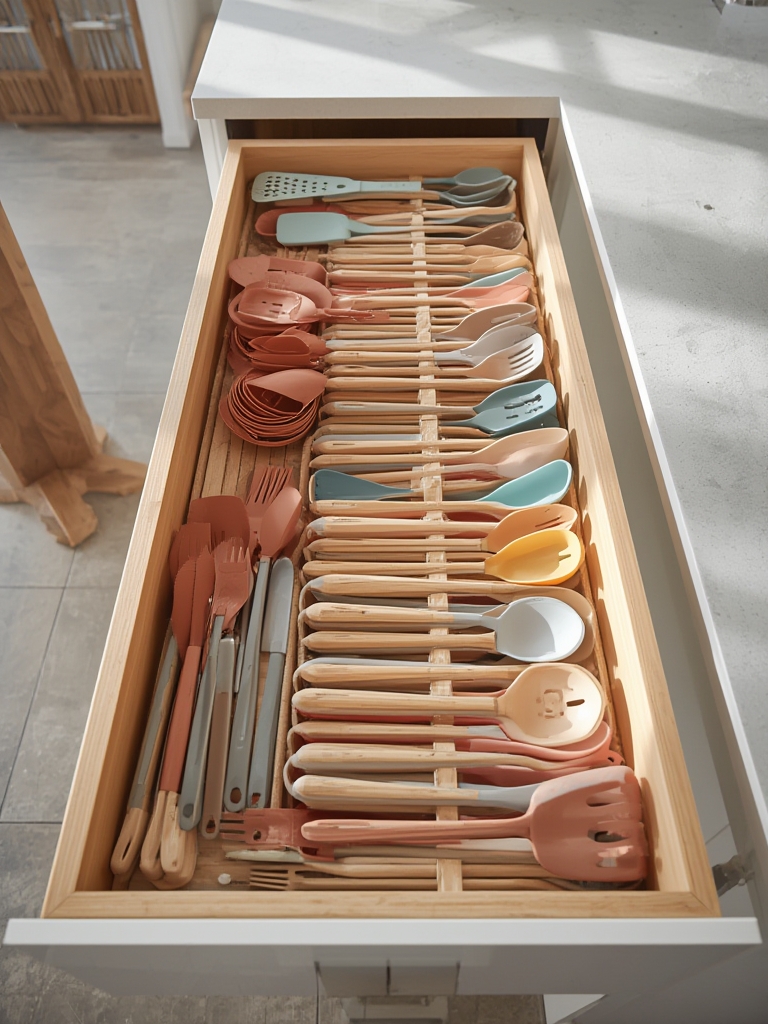
- Organize Smartly: Stack collapsed bowls, cups, and strainers vertically or file-style in drawers or cabinets near areas where you’ll use them. Silicone trivets, for example, can slip into narrow slots or hang from hooks—see more in small kitchen organizer tips.
- Clean and Dry Properly: Silicone often hides grease in creases when compressed. Fully expand before washing, and make sure all parts dry thoroughly to prevent hidden mildew or odor.
- Regularly Inspect Wear: With constant folding, check for cracks or thinning in the silicone. When a tool becomes floppy or can’t hold its shape, it’s time to replace it.
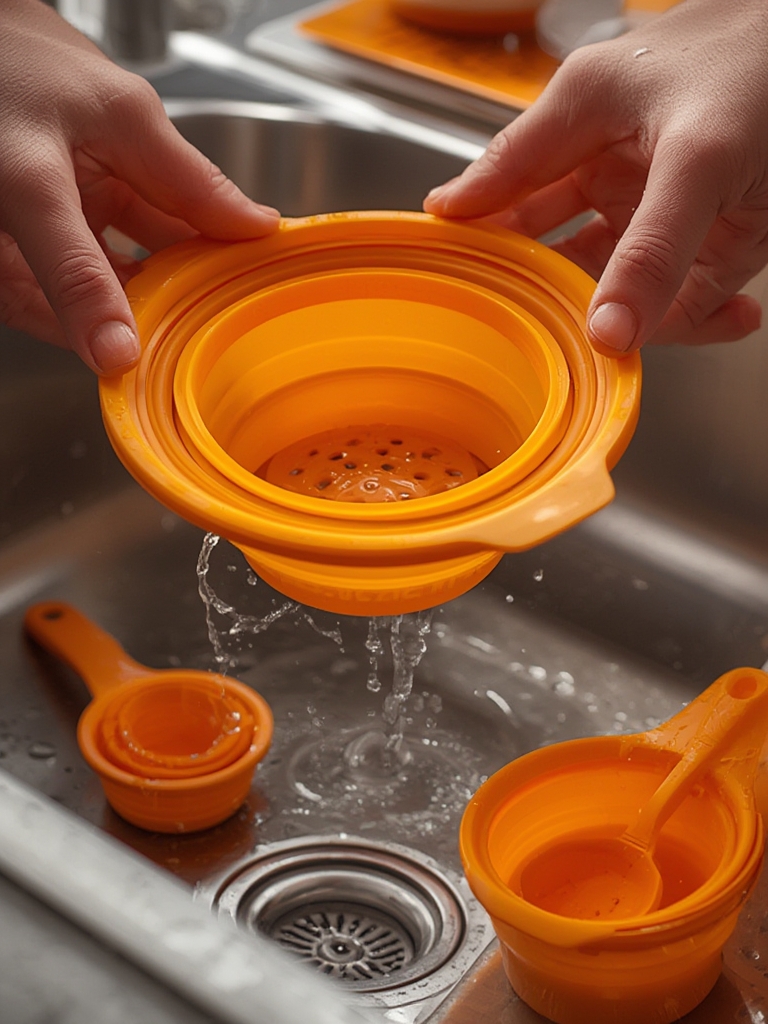
If you want more guidance, see our complete guide to kitchen decluttering for step-by-step workflow. Looking for specialized storage ideas? Check out stackable kitchen storage ideas for inspiration.
Critical Analysis and Common Pitfalls
No technology is perfect. Here’s what users (and overlooked competitor articles) should seriously consider based on current research and technical reporting:
- Durability Limitations: While most collapsible silicone is heat-resistant and food-safe, real-world lifespan numbers are underreported. Thin silicone can develop weak spots after repeated collapsing/expanding and lose rigidity (source).
- Size and Capacity Inaccuracy: Some brands cut corners—collapsed products can be shallow or unable to stand up properly when filled. This matters with large-grade items like colanders or salad bowls.
- No Verified Price Advantage: Despite their popularity, no research in 2024 confirms whether collapsible silicone tools cost more or less than non-collapsible competitors. This is a blind spot ignored by many reviewers.
- Hidden Cleaning Issues: Seams and folds can accumulate food residue if not fully opened and properly cleaned every time. This is particularly crucial for bowls and strainers.
- Missing User Feedback: Verified reviews for collapsible measuring cups, colanders, and strainers are surprisingly sparse, especially on pain points in small-kitchen use. This leaves a research gap for shoppers.
- Certifications and Recalls: The good news: In the past two years, there have been no major recalls. Premium brands are typically BPA-free, non-toxic, and food-safe (source), but always confirm labeling before purchase.
| Feature | Collapsible Silicone | Non-Collapsible (Plastic/Metal) |
|---|---|---|
| Storage | Ultra-compact, folds flat, fits in drawers | Bulky, tough to stack, occupies shelf/cabinet |
| Heat Resistance | High, safe for microwave and freezer | Varies, some plastics warp, metal is best for oven |
| Cleaning | Simple, but folds need thorough attention | Usually straightforward |
| Durability | Can lose shape, occasional cracking with age | Plastic warps over time, metal has longest lifespan |
| Price | Unknown; no reliable 2024 comparison | Varies across brands and materials |
For more on common organizing blunders, read kitchen drawer organizer mistakes.
Conclusion
Collapsible silicone kitchen tools deliver outstanding small-space performance—if you buy carefully, keep them clean, and organize with intent. Though research shows growth and widespread adoption in 2024, users should always weigh durability, lack of pricing transparency, and hidden cleaning issues before switching. Start organizing, keep an eye on quality, and enjoy the flexibility and space-saving power of collapsible silicone kitchen tools. Ready to upgrade your drawer? Try one key tool and experience the transformation.
Frequently Asked Questions
Do collapsible silicone kitchen tools last as long as metal or plastic?
Generally, collapsible silicone tools last several years if cared for, but frequent collapsing and expansion can reduce firmness. Metal options tend to last longer, but silicone offers unique compact storage benefits.
Are there any health risks with silicone kitchen tools?
Leading brands use food-grade, BPA-free silicone, making them safe for daily use. No major recalls or safety warnings have been reported for collapsible silicone gadgets in the past two years (source).
Can I use collapsible silicone tools in the oven or microwave?
Most collapsible silicone kitchenware is safe for microwave use. Some items (like trivets) can handle oven temperatures, but always check the manufacturer’s labels for maximum heat ratings.
How should I organize collapsible silicone kitchenware in a small kitchen?
Store collapsed tools vertically in drawers or file-style bins near your prep space. Use cabinet door hooks or magnetic strips for easy access to utensils. See our organizer mistakes guide for more ideas.
What is the best way to clean and dry collapsible silicone tools?
Always fully expand each item for thorough washing and air drying. Use a soft brush for grooves. This practice prevents hidden residues and unpleasant odors.