

Blog Post:
Ceramic nonstick cookware is surging in popularity as more home cooks look to avoid traditional Teflon and PFAS-based pans. But how safe and durable is it, really? If you want to cook healthy meals without high-maintenance pans or chemical worries, this guide lays out what science actually says—and what you can realistically expect in your kitchen.
Key Takeaways
- Ceramic nonstick cookware outperforms PTFE (Teflon) in resisting wear and heat below 250°C, but its nonstick power may fade faster with regular use.
- Not all “genuine PFAS-free” ceramic pans are created equal—always check for third-party PFAS, PFOA, and PTFE-free testing to ensure genuine safety.
- Buying high-quality ceramic pans is about balancing safety with realistic expectations on durability, especially if you cook at high heat or use metal utensils.
- What Is Ceramic Nonstick Cookware and Why Do People Switch?
- How to Buy, Use, and Care for Ceramic Nonstick Cookware: Actionable Steps
- Real-World Problems and Advanced Insights With Ceramic Nonstick Cookware
- Conclusion: Should You Choose Ceramic Nonstick Cookware?
- Frequently Asked Questions
What Is Ceramic Nonstick Cookware and Why Do People Switch?
Ceramic nonstick cookware refers to pots and pans with a nonstick surface made from mineral-derived silicon dioxide and metal oxides instead of traditional PTFE (Teflon) or other “forever chemicals.” This type of coating is often marketed as eco-friendly, non-toxic, and safer under high heat compared to classic nonstick pans. Many major brands, like GreenPan and Caraway, use sol-gel technology to apply these coatings.
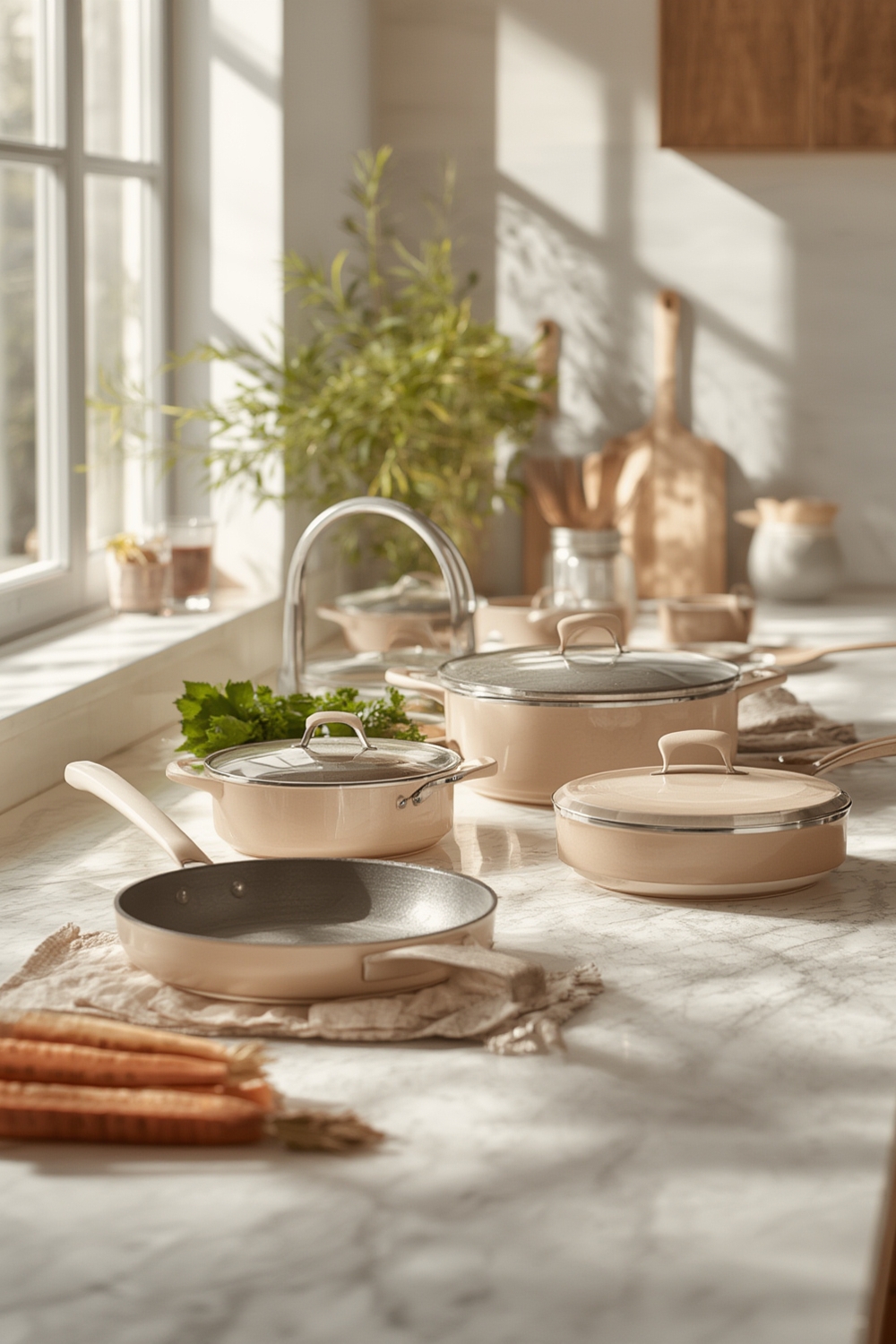
Consumers are turning to ceramic nonstick cookware because of growing concerns over PFAS, PFOA, and PTFE contamination. Studies reveal that PTFE pans degrade more rapidly and can shed microplastics into food and air, especially when scratched or heated above 250°C (482°F). Ceramic coatings do not require these chemicals for a nonstick effect, potentially reducing long-term health risks. With Consumer Reports confirming that mainstream ceramic pans are PFAS-free, this cookware is seen as a modern upgrade for safety-minded cooks.
But switching has trade-offs: ceramic’s nonstick ability is “self-sacrificing,” meaning it may wear out sooner than Teflon and could release small amounts of coating into your food. If you value long-term nonstick performance more than chemical safety, traditional PTFE pans might still appeal to you—but at a cost to environmental and personal health.
How to Buy, Use, and Care for Ceramic Nonstick Cookware: Actionable Steps
Upgrading to ceramic nonstick cookware pays off if you follow these steps to maximize its performance and life span:
1. Verify Genuine Ceramic—and “Free From” Claims
Look for these markers when shopping:
- PFAS, PTFE, and PFOA-Free Labels: Only trust these if they’re backed by third-party testing. Consumer Reports regularly checks pans for chemical residues. Don’t be swayed solely by “non-toxic” marketing.
- Material Disclosure: Look for pans stating “sol-gel ceramic,” “silicon dioxide,” or “metal oxide-based.” Reputable brands often disclose titanium dioxide or potassium titanate components.
2. Choose the Right Pan for Your Cooking Style and Heat Source
- Electric and Induction: Most high-quality ceramic pans have aluminum or stainless steel bases, which work well on induction and standard stovetops.
- Oven Use: Confirm oven-safe limits before buying. Most ceramics are safe only up to 450°F (232°C).
3. Season Depending on Brand Instructions
Some ceramic pans recommend initial seasoning: lightly coat the surface with a few drops of oil, heat gently, and then wipe clean. This method can offer a performance boost, especially for lower-priced pans.
4. Use Safe Cooking Utensils & Avoid Harsh Cleaners
- Stick with wood, silicone, or plastic utensils. Metal utensils can scratch both ceramic and PTFE, but ceramics are generally more scratch-resistant (study reference).
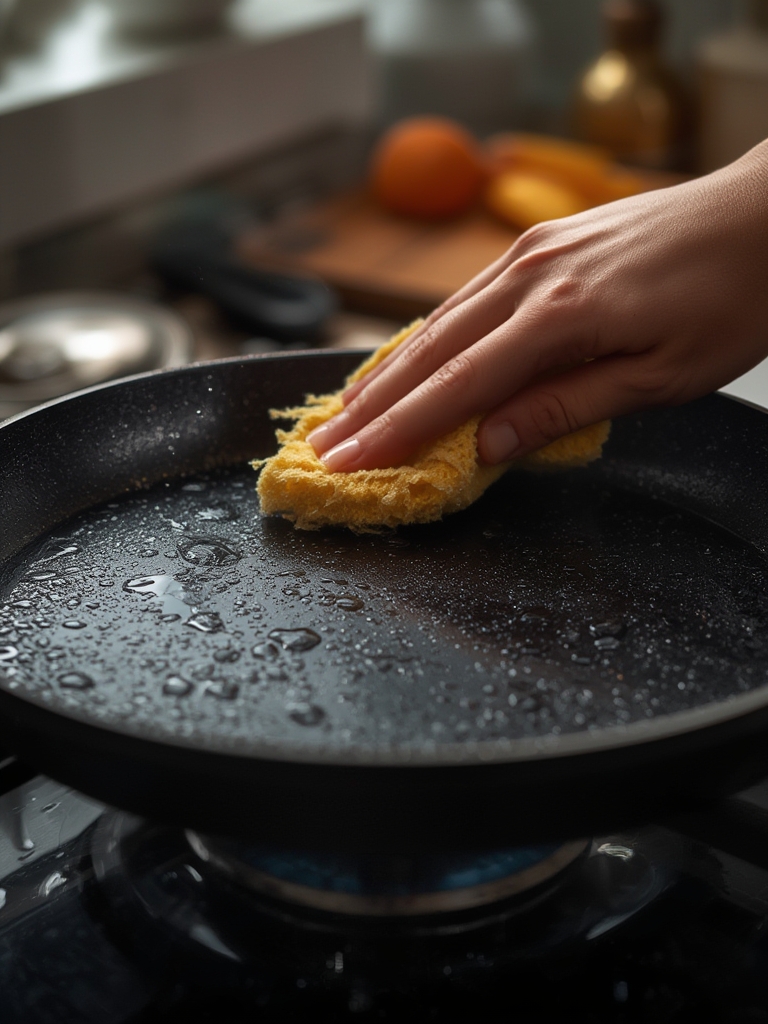
- Hand-wash pans with mild soap and a soft sponge. Avoid steel wool and abrasive pads.
5. Never Overheat—Know the Limits
Never preheat an empty ceramic pan or cook at “high” burner settings. This can destroy the nonstick layer and, in rare cases, release small metal oxide particles. Always use ceramic cookware below 250°C (482°F), as proven in 2024 studies.
6. Store Carefully to Prevent Wear
Avoid stacking heavy pans on top of each other without a felt separator or towel. This helps prevent accidental chipping or abrasion—simple but effective for extending your investment.
7. Know When to Replace
If your ceramic nonstick pan becomes deeply scratched, shows base metal, or loses its slickness, it’s time to replace it. Unlike cast iron or stainless, there’s no way to “re-season” worn-out ceramic coatings.
Looking for more kitchen safety tips or healthy cookware swaps? Check out our comprehensive PFAS-Free Cookware: 7 Best Ways to Protect Your Family guide for smarter upgrade ideas.
Real-World Problems and Advanced Insights With Ceramic Nonstick Cookware
Ceramic nonstick cookware isn’t perfect. Here’s a realistic breakdown of advanced concerns that often get missed in top search results—and what the scientific findings actually show.
Common Pitfalls
- Nonstick Longevity: User reviews and studies agree: ceramic nonstick loses its “like new” slickness faster than PTFE. Expect gradual sticking after 6–24 months (depending on use and care).
- “Self-sacrificing” Coatings: Some ceramic pans subtly transfer tiny bits of the sol-gel layer into food—especially when older or cooked dry. The health impact of long-term silicone oil and metal oxide ingestion is not fully studied.
- High Heat Risks: Both ceramic and PTFE degrade when heated above 250°C (482°F), but ceramic’s inert mineral base handles high heat better and does not release microplastics, unlike PTFE (see study).
- Certification Gaps: No universal “ceramic-safe” label exists. Your best bet is looking for tested PFAS-free claims by a trusted third party (not just marketing language).
- Price-to-Performance Mismatch: Some high-priced ceramic pans offer only a modest bump in lifespan or real-world performance. Look for genuine material disclosure, warranty, and real user reviews before buying. For cost-effective versatility, consider brands that list base metal composition and provide a written warranty.
For those who regularly air fry or oven roast, a multi-tool like a multi-function air fryer toaster oven can reduce stovetop pan wear while still delivering crispy and healthy meals.
Comparison Table: Ceramic Nonstick vs PTFE (Teflon) Cookware
| Feature | Ceramic Nonstick | PTFE (Teflon) Nonstick |
|---|---|---|
| Base Material | Silicon dioxide, metal oxides | PTFE (synthetic polymer) |
| PFAS/PFOA Content | None (if certified PFAS-free) | May contain trace PFAS in older or non-certified pans |
| Nonstick Longevity | 6–24 months typical | 2–5 years typical |
| Heat Tolerance | Up to 250°C (482°F) | Up to 250°C (482°F) |
| Microplastics Release | No plastic particles | Yes, with abrasion or high heat |
| Cleaning Ease | Easy (when new), harder as coating wears | Easy for years (if not scratched) |
| Price Range | Mid to high, premium for true “sol-gel” | Low to high, depends on brand |
| Eco Impact | Lower (no PFAS to pollute) | Higher (PFAS are persistent in environment) |
If you need ultimate scratch resistance for baking or frying without fuss, you might be better served with a classic donabe Japanese clay pot or even carbon steel or cast iron pans, though these require different care. For organization and space-saving in your kitchen, don’t forget the usefulness of collapsible silicone kitchen tools.

Conclusion: Should You Choose Ceramic Nonstick Cookware?
Ceramic nonstick cookware offers a credible, safer alternative to traditional nonstick—especially if PFAS and chemical leaching are top concerns. Science now confirms that modern ceramic coatings resist wear better than PTFE under typical cooking temperatures, and don’t shed microplastics into your meals. However, the nonstick advantage may fade sooner than some traditional options, and not all safety claims are equally trustworthy—genuine PFAS-free and PTFE-free verification is vital.
If you decide to make the switch, stay vigilant on proper use: never overheat, stick to gentle utensils, and hand wash. This will help you get the most out of your investment—without surprises or regrets. Ready to upgrade? Explore our expert guide to choosing truly PFAS-free cookware to learn which choices are the safest for your kitchen. Remember, your choice of ceramic nonstick cookware isn’t just about quick cleanups—it’s about cooking with confidence and protecting your family’s long-term health.
Frequently Asked Questions
Are all ceramic nonstick pans free of PFAS, PFOA, and PTFE?
Most modern ceramic nonstick cookware is marketed as PFAS, PFOA, and PTFE-free. Always verify these claims by looking for third-party test results or independent reviews such as Consumer Reports. Avoid relying on “non-toxic” labels alone, as not all are substantiated.
Can ceramic nonstick pans release any potentially harmful substances?
Ceramic pans generally do not release PFAS or microplastics, even when heated or scratched. Some studies have raised minor concerns about tiny amounts of titanium dioxide nanoparticles or metal oxides migrating into food, but health risks remain unclear and much lower than with PTFE-based pans. Do not use ceramic pans with deep scratches or exposed metal base.
Why do ceramic nonstick coatings wear out faster than PTFE?
Unlike PTFE, ceramic coatings use a “self-sacrificing” sol-gel layer to provide nonstick properties. With each use, this layer wears down, which is why the slick surface tends to lose effectiveness faster—typically after 6–24 months of regular use.
What’s the best way to clean ceramic nonstick cookware?
Always let the pan cool, then wash by hand with a soft sponge, mild detergent, and warm water. Avoid steel wool, abrasive pads, or harsh chemicals, as these can accelerate coating wear. Most brands advise against dishwashing, even if marketing claims otherwise.
How can I make my ceramic nonstick pan last longer?
Stick to moderate heat (below 250°C or 482°F), avoid metal utensils, and store pans with a protective liner or towel between pieces. Lightly oiling the surface before or after use (when cool) preserves slickness. When the nonstick effect fades, it’s time for a replacement as re-seasoning won’t restore the sol-gel layer.
—